Author name: abu_sufian

London Areas

Moving in London: Parking, Permits & Access

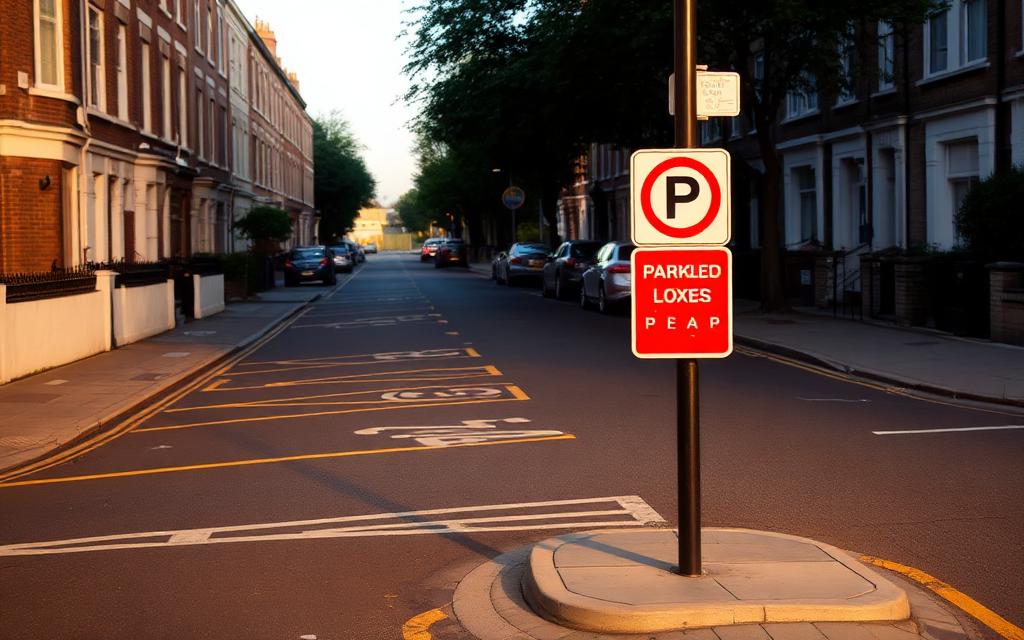
Key takeaways Bay suspensions often need several working days notice. Check height restrictions before booking a large van. A long carry costs more time than the drive itself. In London, parking and access decide how long a move takes far more often than mileage does. Twenty metres of extra carrying distance, repeated across a full house, adds up to hours. Start with the kerb outside both doors Is it a permit bay, a red route, a single yellow or a controlled zone? What are the controlled hours on the sign nearest the property? Can a 3.5-tonne Luton physically get down the street? Is there a height barrier, gated entry or width restriction? Bay suspensions and dispensations Most boroughs let you apply to suspend a bay or buy a dispensation for a removals vehicle. Notice periods vary and can be up to ten working days, so treat this as an early task rather than a moving-week one. Keep the confirmation on your phone for the day. Flats, estates and managed buildings Book the goods lift where one exists and confirm permitted moving hours in writing. Many estates restrict access to weekdays or require certificates of insurance before entry. Ask about protective coverings for lifts and communal floors. Charges to factor into the day Congestion Charge and ULEZ where applicable to the route. Bay suspension or dispensation fees, which vary by borough. Waiting time if the van cannot get near the property. Sorting parking a week early is the cheapest way to shorten a London move. We handle these checks routinely across West London, Middlesex, Surrey, Hertfordshire and Buckinghamshire. If you tell us both postcodes, we can flag the likely access issues before you book.

Pricing & Costs

What Insurance Covers During a Move

Key takeaways Goods in transit and public liability cover different risks. Owner-packed boxes are usually treated differently. Declare high-value items before the move, not after. Removals insurance is straightforward once you separate the two policies that matter and understand the handful of exclusions that catch people out. Goods in transit This covers your belongings while they are being handled and carried in the vehicle. Sandy Movers carries £50,000 goods in transit cover. It applies to loss or damage caused during the move itself, subject to the policy terms. Public liability This covers damage to property or injury to people arising from the work — a scuffed communal stairwell or a damaged door frame, for example. Our cover is £5 million, which is also the level most managed buildings ask to see before granting access. The exclusions worth knowing Boxes packed by you are generally covered for external damage, not internal breakage. Pre-existing damage and normal wear are not covered. Cash, jewellery, documents and similar high-value items should travel with you. Some fragile electronics need their original packaging to be covered fully. How to protect yourself properly Photograph valuable furniture and screens before the move. Tell your removals firm about anything unusually valuable in advance. Ask for professional packing on genuinely fragile items. Report any issue in writing within the notification window in your terms. Cover levels tell you what a firm is prepared to stand behind. Always ask to see the certificate, not just a claim on a website. If you are unsure whether a specific item is covered, ask before booking. It is a two-minute conversation that avoids a difficult one later.

Office Moves

How Office Moves Work Without Downtime

Key takeaways Move outside trading hours wherever possible. Label by desk position, not by department. IT comes down last and goes back up first. An office move is a logistics project, not a bigger house move. The measure of success is simple: how many working hours your team loses. With a clear plan, that number can be close to zero. Six weeks out: survey and floor plan Produce a numbered floor plan of the new space with every desk position marked. Every crate, monitor and chair gets that number on its label. Crews then place items where they belong instead of stacking everything in a corridor. Four weeks out: access and building rules Confirm goods-lift booking windows at both buildings. Check permitted working hours and out-of-hours access. Arrange loading bay or bay suspension where needed. Send insurance documents to both building managers. Two weeks out: crates and comms Deliver crates early so staff pack their own desks over several days rather than in a panic. Publish one internal timeline with a named contact per floor, and confirm what stays behind for disposal or clearance. Move day: the running order Server and network kit shuts down last at the old site. Furniture and storage move first to clear space. IT is first to be reinstalled and tested at the new site. A supervisor stays on each site until the final sweep. Most office downtime is caused by IT going back up late, not by furniture arriving late. The morning after Keep a short snagging window on the first working day for adjustments, spare crate collection and any dismantled items that need reassembly. Weekend and evening moves usually mean staff walk into a working office on Monday.

Packing Guides

Packing Like a Pro: Room-by-Room Checklist

Key takeaways Heavy things go in small boxes, light things in large boxes. Label by destination room and keep an essentials box. Never leave gaps — movement is what breaks things. Good packing is mostly about weight distribution and filling gaps. Get those two right and almost nothing breaks in transit, regardless of how far the van travels. What to buy before you start Small double-wall boxes for books, tools and tinned food. Large boxes for bedding, cushions and clothing. Bubble wrap, packing paper and at least two rolls of tape per room. A thick marker and, ideally, coloured labels per room. Kitchen Plates travel on their edge, not stacked flat — wrap each one and stand them vertically like records. Glasses go in a cell divider or wrapped individually with paper stuffed inside. Empty, defrost and dry the fridge and freezer 24 hours ahead. Bedrooms Leave clothes on hangers and bag them in groups of ten, or use wardrobe boxes. Drawers can often stay full if the unit is solid — ask your crew first. Keep bed bolts and fixings in a labelled bag taped to the headboard. Living room Photograph the back of the TV before unplugging anything. Screens travel upright, never flat, ideally in the original box. Wrap table legs separately once removed. Books in small boxes only — a large box of books is unliftable. Bathroom and last-day box Seal every liquid with tape over the cap and bag it. Then pack one clearly marked essentials box: kettle, mugs, tea, toilet roll, soap, towels, phone chargers, medication, scissors and a basic toolkit. It goes in the van last and comes out first. If a box rattles when you tilt it, it needs more paper. Movement is what causes damage, not distance.
Moving Tips

How to Plan a Stress-Free London Move

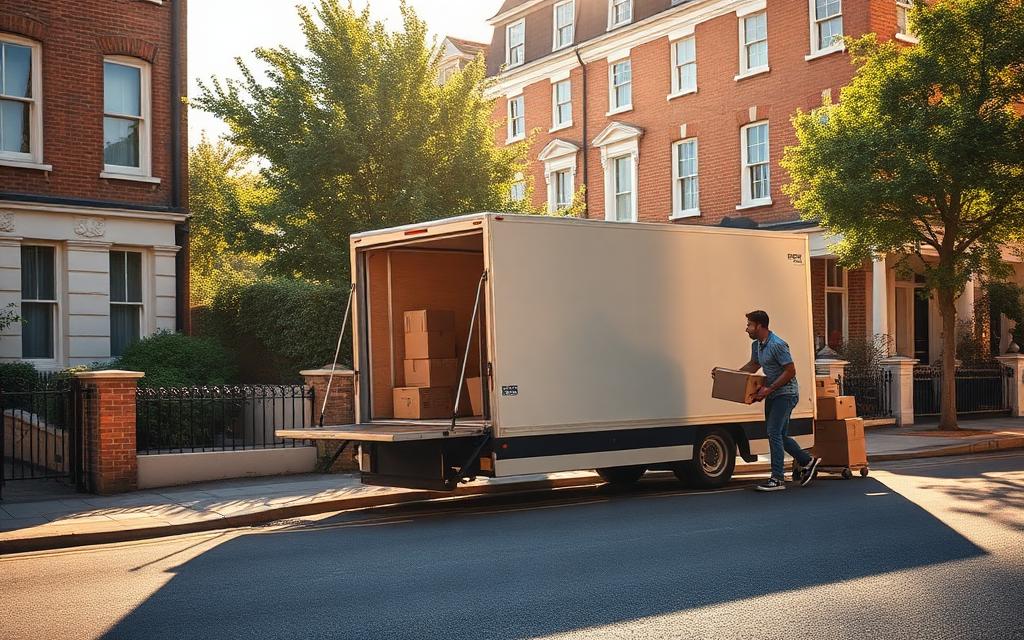
Key takeaways Start four weeks out and work backwards from moving day. Book your van and crew before you start packing. Confirm parking and access at both ends in writing. Most moving-day stress is not caused by lifting boxes. It is caused by decisions left until the last minute: no confirmed van size, no parking arranged, and no clear plan for who is doing what. A simple four-week run-up removes almost all of it. Four weeks before: get the facts down Walk each room and note the large items — wardrobes, sofas, appliances, anything that needs dismantling. This is the information a removals firm needs to quote accurately, and it is the difference between a fixed price that holds and a price that moves on the day. List every item that will not fit through a doorway assembled. Measure awkward pieces: corner sofas, super-king bases, American fridges. Note stairs, lifts and how far the van can realistically park from the door. Decide what is going to storage, charity or the tip before it gets packed. Three weeks before: book the move Fridays and month-ends go first in London, especially around tenancy changeovers. Booking early gives you the crew size you actually need rather than whatever is left. Confirm in writing what is included: dismantling, reassembly, blankets, floor protection and any waiting time. Two weeks before: pack in the right order Pack from the least-used space inwards — loft, spare room, garage, then living areas. Label by destination room, not by contents, and keep one box per room for the things you will need on the first night. A box labelled “kitchen — kettle, mugs, tea” is worth more on moving day than ten perfectly packed boxes labelled “misc”. One week before: access and parking Check whether either address needs a suspended bay or a permit. Many London boroughs need several working days notice, and a van parked 60 metres away adds real time to a move. If you are in a flat, book the lift and let the building manager know the window. Moving day: keep it simple Be there at the start to walk the crew through the property. Keep documents, keys, chargers and valuables in a bag you carry yourself. Do a final sweep of cupboards, loft and garden before the van leaves. Take meter readings and photos of the empty property. Done in that order, a London move is a long day rather than a hard one. If you would like a fixed price based on your own item list, our team can talk it through in a few minutes.

Moving Tips

Man and Van vs Full House Removal — Which Do You Need?

Key takeaways Man and van suits studios, single rooms and part-loads. Full removals suit two-bed homes and up, or heavy furniture. Crew size matters more than van size on stairs. The two services overlap more than most websites admit. The right choice comes down to three things: how much volume you have, how heavy the individual items are, and how difficult access is at both ends. When man and van is the right call Studio flats, single rooms and student moves. Part-loads: a few pieces of furniture plus 10–20 boxes. Furniture deliveries and marketplace collections. Moves where you have packed everything yourself already. A low-loader Luton with one mover and a driver covers a surprising amount of ground. The limit is rarely the van — it is how much two people can carry safely inside your booked window. When you want a full house removal Two-bed homes and larger, or anything over roughly 20 cubic metres. Heavy or high-value items: pianos, safes, marble, large glass. Third-floor flats with no lift, or long carries from the van. Moves that need dismantling and reassembly at the other end. The cost comparison people miss An under-crewed move is not cheaper. Two movers on a three-bed house means more trips, more hours and a real risk of running past the day. Three movers on the right van often lands at a similar total and finishes hours earlier. Price the whole job, not the hourly rate. The hourly rate tells you very little about what the day will cost. A quick way to decide Run your item list through our volume calculator. If it comes back under about 20 cubic metres with no specialist items, man and van is usually the sensible option. Above that, or with heavy pieces and awkward access, go with a full removal and a proper crew.

Scroll to Top