6

London Areas

Moving in London: Parking, Permits & Access

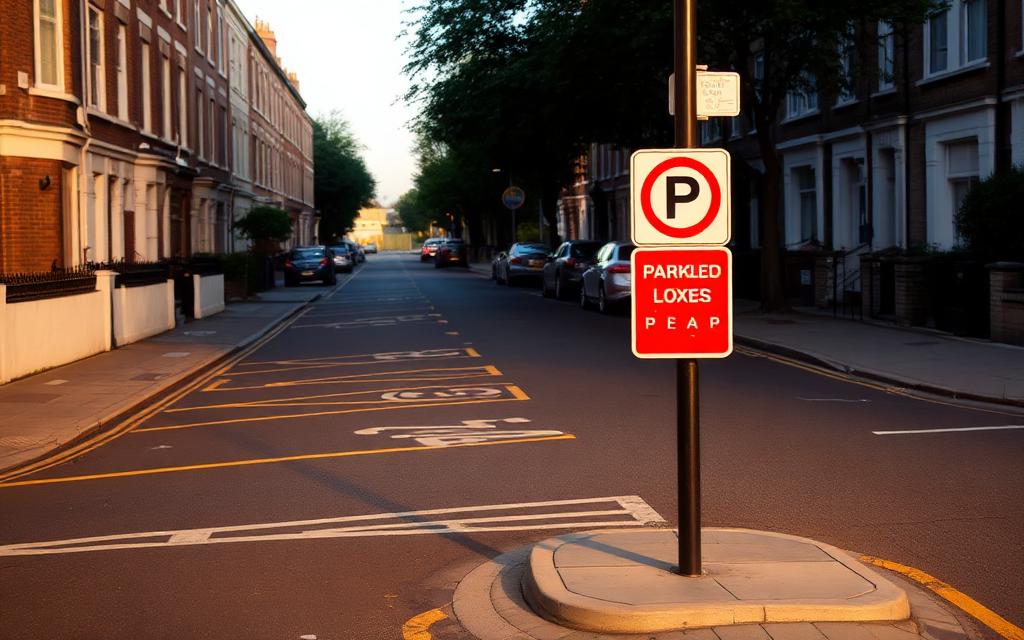
Key takeaways Bay suspensions often need several working days notice. Check height restrictions before booking a large van. A long carry costs more time than the drive itself. In London, parking and access decide how long a move takes far more often than mileage does. Twenty metres of extra carrying distance, repeated across a full house, adds up to hours. Start with the kerb outside both doors Is it a permit bay, a red route, a single yellow or a controlled zone? What are the controlled hours on the sign nearest the property? Can a 3.5-tonne Luton physically get down the street? Is there a height barrier, gated entry or width restriction? Bay suspensions and dispensations Most boroughs let you apply to suspend a bay or buy a dispensation for a removals vehicle. Notice periods vary and can be up to ten working days, so treat this as an early task rather than a moving-week one. Keep the confirmation on your phone for the day. Flats, estates and managed buildings Book the goods lift where one exists and confirm permitted moving hours in writing. Many estates restrict access to weekdays or require certificates of insurance before entry. Ask about protective coverings for lifts and communal floors. Charges to factor into the day Congestion Charge and ULEZ where applicable to the route. Bay suspension or dispensation fees, which vary by borough. Waiting time if the van cannot get near the property. Sorting parking a week early is the cheapest way to shorten a London move. We handle these checks routinely across West London, Middlesex, Surrey, Hertfordshire and Buckinghamshire. If you tell us both postcodes, we can flag the likely access issues before you book.

Packing Guides

Packing Like a Pro: Room-by-Room Checklist

Key takeaways Heavy things go in small boxes, light things in large boxes. Label by destination room and keep an essentials box. Never leave gaps — movement is what breaks things. Good packing is mostly about weight distribution and filling gaps. Get those two right and almost nothing breaks in transit, regardless of how far the van travels. What to buy before you start Small double-wall boxes for books, tools and tinned food. Large boxes for bedding, cushions and clothing. Bubble wrap, packing paper and at least two rolls of tape per room. A thick marker and, ideally, coloured labels per room. Kitchen Plates travel on their edge, not stacked flat — wrap each one and stand them vertically like records. Glasses go in a cell divider or wrapped individually with paper stuffed inside. Empty, defrost and dry the fridge and freezer 24 hours ahead. Bedrooms Leave clothes on hangers and bag them in groups of ten, or use wardrobe boxes. Drawers can often stay full if the unit is solid — ask your crew first. Keep bed bolts and fixings in a labelled bag taped to the headboard. Living room Photograph the back of the TV before unplugging anything. Screens travel upright, never flat, ideally in the original box. Wrap table legs separately once removed. Books in small boxes only — a large box of books is unliftable. Bathroom and last-day box Seal every liquid with tape over the cap and bag it. Then pack one clearly marked essentials box: kettle, mugs, tea, toilet roll, soap, towels, phone chargers, medication, scissors and a basic toolkit. It goes in the van last and comes out first. If a box rattles when you tilt it, it needs more paper. Movement is what causes damage, not distance.

Scroll to Top